
How to Find Authentic Artist Shops: A 2026 Guide
Mitchell AdelmanTable of Contents
- Why Finding Authentic Artist Shops Matters
- How to Verify Independent Artist Shops Online
- Identifying Handmade Art vs. Mass-Produced Prints
- Buying Gifts from Deaf-Owned and Independent Creative Studios
- Red Flags That Signal an Inauthentic Shop
- Questions to Ask Before Purchasing Original Art
- Frequently Asked Questions
Last Updated: September 18, 2026
Why Finding Authentic Artist Shops Matters
Finding authentic artist shops matters because it connects you directly to the creator's vision and ensures you're supporting real artists, not mass-produced knockoffs. When you buy from an independent creator, you get something no factory can replicate: genuine artistry, personal attention, and the story behind every piece.

At Cerulean Rooster, we understand this deeply. As a family-run creative studio owned by two deaf brothers, we pour our hearts into crafting original art and handmade goods. Every order is packed by hand in our small studio. This personal touch is what separates authentic artist shops from everything else.
The difference matters more than you might think. Mass-produced items feel generic. Original work from independent creators feels human. It connects with people in ways that factory art simply cannot. When you know the artist, you trust the work. You're not just buying something beautiful, you're supporting someone's creative dream.
How to Verify Independent Artist Shops Online
The first step in finding authentic artist shops is learning to spot the real deal online. Look for these key signals that separate genuine independent creators from resellers and dropshippers.
Check for Direct Artist Contact and Studio Information
Real artists share their story. Look for artist bios, studio information, and direct contact details on their website or shop page. A legitimate independent creator will tell you who they are, where they work, and how to reach them.
Check for:
- A real name (not just "The Artist" or generic branding)
- Studio location or workspace details
- Email address or contact form
- Social media handles that match across platforms
- Photos of the artist at work or in their studio
Dropshippers and resellers hide behind vague language. They won't show you their face or studio. They won't answer direct questions about their process. Real artists are proud of their work and eager to share it.
Use Reverse Image Search to Spot Dropshipping
This is your secret weapon for catching fake shops. Take any product image from a shop you're considering and run it through Google Images or TinEye. If that same image appears on multiple websites with different seller names, it's dropshipped. Someone else designed it and is just reselling it.
Here's how to do it:
- Right-click on a product image
- Select "Search image with Google" or "Reverse image search"
- Look at the results
- If the image appears on 5+ different sites, the shop is likely dropshipping
Real artists' work appears only on their own shop. Dropshippers copy images across dozens of stores. This simple check saves you from buying something that isn't what it claims to be.
Look for Artist Portfolios and Process Documentation
Authentic independent creators show their work. A real artist portfolio includes:
- Multiple completed pieces showing their visual style
- Process photos or behind-the-scenes content
- Descriptions of their artistic methods
- Evidence of their creative journey over time
Pay attention to consistency. Does the artist's style make sense across all their work? Do the pieces feel cohesive? Real artists develop a recognizable style. Their work tells a story.
Look for process documentation too. Artists who share how they create, sketches, work-in-progress photos, video clips of their process, are showing you they have nothing to hide. This transparency builds trust.
Identifying Handmade Art vs. Mass-Produced Prints
The difference between handmade art and mass-produced prints is visible once you know what to look for. Handmade work carries the artist's fingerprints, literally and figuratively.
Material Quality and Finish Differences
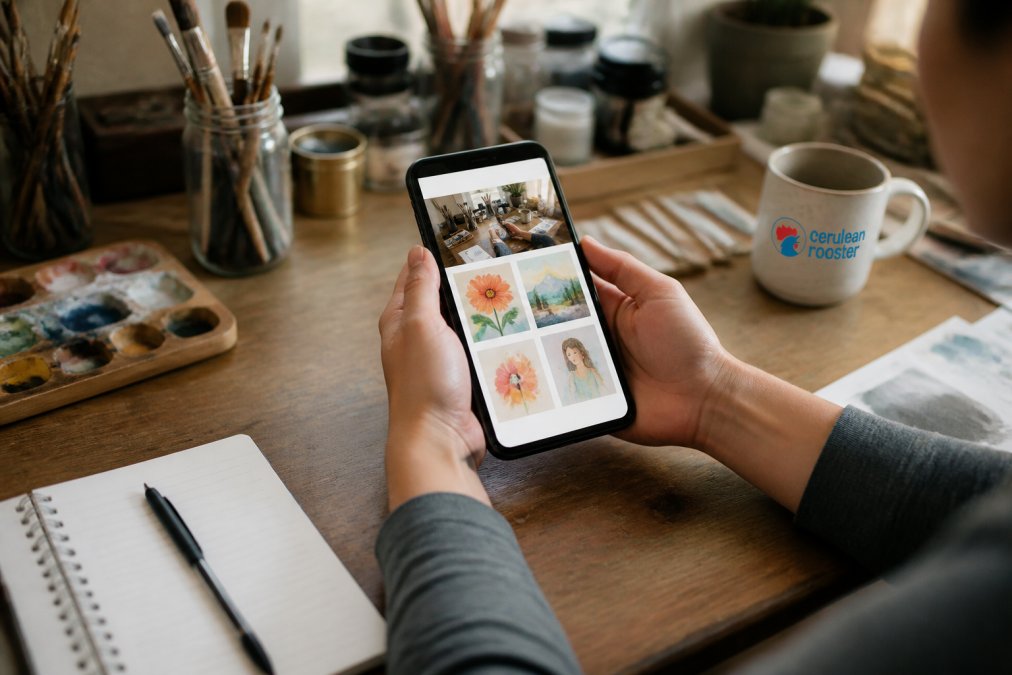
Handmade art uses real materials. Original paintings have texture. You can see brushstrokes. Watercolor pieces show the artist's hand at work. Each piece varies slightly because a human made it.
Mass-produced prints look uniform. Every copy is identical. The finish feels plastic or slick. There's no variation because a machine made thousands of them.
Compare these:
- Original art: Visible brushwork, varied texture, slight imperfections that prove human creation
- Handmade prints: Quality paper, careful color registration, signed by the artist
- Mass-produced prints: Uniform perfection, plastic or glossy finish, no artist signature
When you hold handmade art, you feel the difference. The weight is right. The colors feel alive. There's a presence to it that factory work can't match.
Certificates of Authenticity and Provenance
Real artists provide certificates of authenticity for original work. This document proves:
- The piece is original (not a copy or reproduction)
- The artist created it
- The date it was created
- Sometimes the materials used
- The artist's signature or mark
Provenance means the documented history of ownership. For original art, this matters. It proves the work is genuine and tracks where it's been.
Ask for a certificate if you're buying original art. Real artists provide them. Resellers and mass producers won't. A certificate isn't just a piece of paper, it's proof you own something real.
Buying Gifts from Deaf-Owned and Independent Creative Studios
Supporting deaf-owned and independent creative studios means investing in artists who pour their souls into their work. These studios often operate differently than big retailers. They're personal. They're intentional. They're real.
When you buy from an independent studio like Cerulean Rooster, you're supporting artists who communicate through their work. Our handmade art and stickers carry meaning. Every card is designed to connect with people. Every commission is a conversation between artist and customer.
Independent studios offer something mass retailers never will:
- Direct communication with the creator
- Custom, hand-illustrated commissions to commemorate personal milestones or memories
- Handpacked orders with personal care
- Art that reflects the artist's authentic voice
- Support for small business owners who depend on your purchase
Buying from independent creators means your gift carries extra weight. It's not just a card or a print, it's a piece of someone's creative life. That matters to the person receiving it.
Red Flags That Signal an Inauthentic Shop
Watch out for these warning signs that a shop isn't what it claims to be.
Generic product descriptions, Authentic artists write about their work with passion and specificity. Inauthentic shops copy-paste vague descriptions that could apply to any similar product.
No artist information, If you can't find the creator's name, story, or studio details, something's wrong. Real artists want you to know who they are.
Suspiciously low prices, Original art and handmade goods cost more than mass-produced items. If a price seems too good to be true, it probably is.
Identical images across multiple sites, Use reverse image search. If the same product image appears on five different shops, it's dropshipped.
Poor communication, Real artists respond to questions. Inauthentic shops give generic responses or ignore you.
No process photos or behind-the-scenes content, Artists who hide their process have something to hide. Look for transparency.
Stolen social media content, Check if their Instagram or TikTok shows real studio work or just copied content from other creators.
No return or quality guarantee, Independent artists stand behind their work. They offer refunds or replacements if something's wrong.
Questions to Ask Before Purchasing Original Art
Before you buy, ask these questions. A real artist will answer them clearly and honestly.
About the artist:
- What's your name and background as an artist?
- How long have you been creating this type of work?
- Can you share photos of your studio or workspace?
About the piece:
- What materials did you use?
- How long did this piece take to create?
- Is this an original or a limited edition print?
- Do you offer a certificate of authenticity?
About the process:
- Can you walk me through how you created this?
- Do you take custom commissions?
About shipping and quality:
- How do you package original work to protect it?
About supporting the artist:
- Is there anything special I should know about caring for this piece?
- Do you have a mailing list or way to follow your future work?
Real artists welcome these questions. They're proud of their work and happy to talk about it. If a shop brushes off your questions or gives vague answers, that's a red flag.
Frequently Asked Questions
How can I tell if an online art shop is authentic?
Authentic artist shops display clear artist bios, studio photos, and direct contact information. Look for reverse image search results that match their website, artist portfolios showing their creative process, and certificates of authenticity for original works. Real independent studios often share behind-the-scenes content and respond personally to customer inquiries. If you see identical listings across multiple sites or vague descriptions of the artist, that's a red flag for dropshipping or mass production.
What are the benefits of buying directly from independent artist studios?
Buying directly from independent artists means you're supporting the creator's livelihood and ensuring your purchase funds their work, not a middleman. You get authentic pieces with personal touches, direct communication about custom orders, and the assurance that handmade items are truly handmade. Many independent studios, like deaf-owned creative businesses, pour genuine artistry and thoughtfulness into every piece, making your purchase more meaningful and unique than mass-produced alternatives.
How do I find deaf-owned creative businesses to support?
Search for deaf-owned or deaf-founded studios in your preferred art category. Many independent artists proudly highlight their background on their websites and social media. Look for studios that emphasize their family-run operations, share the story of their founders, and explain their creative mission. Deaf-owned businesses often bring distinctive perspectives to art and design, creating expressive work that reflects their unique lived experience. Supporting these studios means investing in authentic art while helping small, independent creators thrive.
What should I look for when buying handmade art online?
Check for specific material descriptions (watercolor, ink, mixed media), artist credentials, and shipping details for handling original works. Ask the artist about their creative process and materials to confirm authenticity. Look for studios that hand-pack orders and include personal notes. Authentic handmade art often shows slight variations or imperfections that prove it's not mass-produced. Ask the artist about their creative process and materials to confirm authenticity.
Finding authentic artist shops protects you and supports real creators. When you buy from independent artists like those at Cerulean Rooster, you get handmade art that carries genuine meaning. Our cards, stickers, and custom commissions are created with intention and packed by hand. Every piece reflects our commitment to expressive, thoughtful design. Shop All our original art and discover work that truly connects.