
Why Handmade Gifts Feel More Authentic: Explained
Mitchell AdelmanTable of Contents
- The Psychology Behind Why Handmade Gifts Feel More Authentic
- The Benefits of Buying Handmade Art Over Mass-Produced Items
- The Neuroscience of Touch: Why Tactile Experience Matters
- How to Choose Art for Your Walls That Feels Truly Personal
- Handmade Gift Etiquette: What to Know Before You Give
- The Real Cost of Handmade Gifts: A Giver's Cost-Benefit Analysis
- Conclusion: Giving Gifts That Carry Human Touch
- Frequently Asked Questions
Last Updated: September 19, 2026
The Psychology Behind Why Handmade Gifts Feel More Authentic
Why handmade gifts feel more authentic comes down to one simple truth: someone chose to spend their time on you. At Cerulean Rooster, a family-run studio owned by two deaf brothers, we've seen how a single hand-painted card can say more than a store-bought gift ever could. That's the heart of why we make what we make.
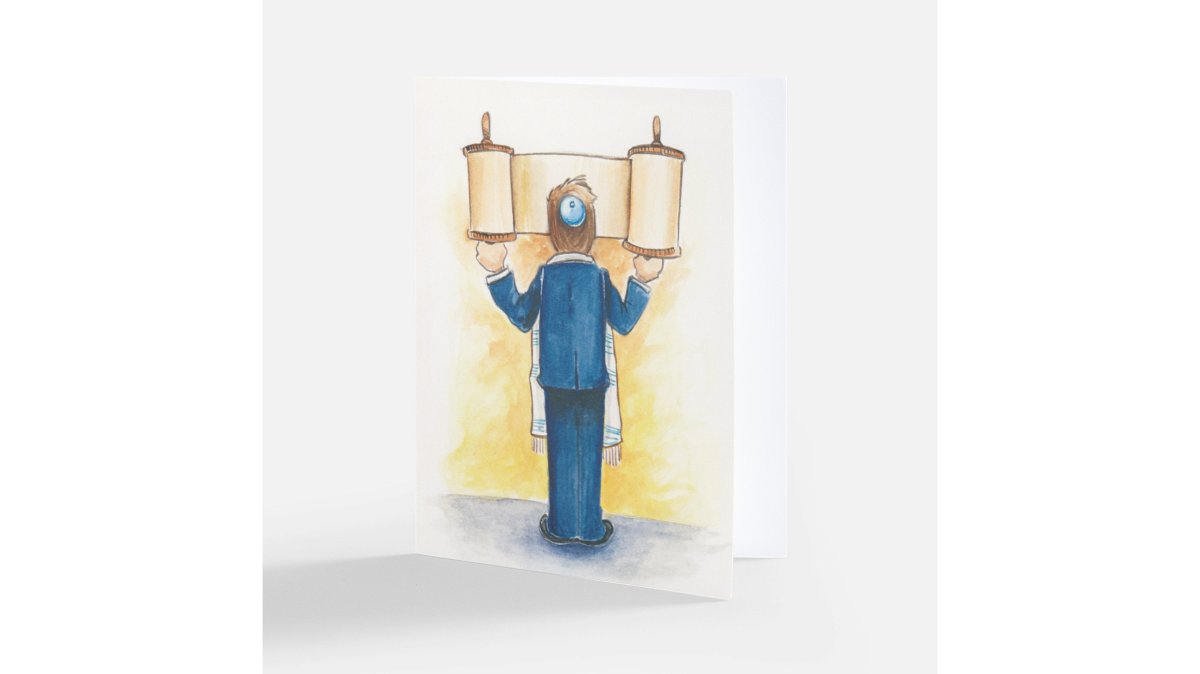
How Intentionality and Effort Shape Gift-Giving Psychology
Gift-giving psychology is the study of how the act of giving shapes the bond between two people. Handmade gifts carry something mass-produced items simply can't: proof that someone paused, thought about you, and made a choice. That pause is what people remember.

The Benefits of Buying Handmade Art Over Mass-Produced Items
Buying handmade art means choosing craftsmanship over standardization. A mass-produced card is identical to thousands of others. An original watercolor, like our Winter Queen Original Art, is one of one. That difference shapes how the gift lands.

Emotional Resonance and Symbolic Value in Every Piece
Symbolic value is what a gift means, not what it costs. A piece painted by hand holds the maker's mark of a real person. It carries sentimental worth that a printed card never will. That's the intrinsic value of buying handmade art, and it's why people keep these pieces for years.
The Neuroscience of Touch: Why Tactile Experience Matters
The tactile experience of holding something made by hand changes how you feel about it. Watercolor paper has texture. Ink sits differently on Bristol board. Your fingers notice it before your brain names it.
How to Choose Art for Your Walls That Feels Truly Personal
Choosing art for your walls starts with the person who'll live with it, not the trend of the moment. A bespoke piece that matches someone's unique identity will always beat a generic print. But here's the part most guides skip: the recipient's perspective on clutter. A handmade gift only feels authentic if it also feels like it belongs in their life.
Start With the Recipient's Perspective, Not the Trend
Before you think about color palettes or frame sizes, ask a quieter question: where will this actually live? A common pattern is that people love a handmade piece in the moment but quietly tuck it in a drawer because it doesn't match their style or their space. That's not ingratitude, it's clutter anxiety, and it's real. The fix is to treat the recipient's taste and square footage as design constraints, not afterthoughts.
A simple framework we use when helping customers pick:
| Step | What to Do | Why It Matters |
|---|---|---|
| 1. Observe the space | Note wall color, light, and existing art | Art should fit the room, not fight it |
| 2. Learn their taste | Ask about favorite subjects, colors, and pets | Personal beats popular every time |
| 3. Match the moment | Tie the piece to a shared memory | Adds symbolic value the recipient can retell |
| 4. Check the size | Measure the wall and the shelf before buying | Prevents the 'where do I put this?' problem |
| 5. Confirm the style | Match minimal, maximal, or cozy aesthetics | Reduces the chance it reads as clutter |
Matching Art to the Recipient's Space and Style
Start with the room, then the person. A small watercolor like our Bunnies with Eggs Original Art fits a cozy reading nook or a nursery shelf. A larger piece, like It's Axe Time! Original Art, suits a study or office where it can anchor a wall. Size and subject should match how someone actually lives, not how you imagine they live.

Why This Matters for Authenticity
The authenticity of a handmade gift isn't just about who made it, it's about whether the recipient can actually live with it. A piece chosen with their space and style in mind stops being 'a handmade thing' and becomes 'my thing.' That shift is what turns a thoughtful gesture into a daily reminder of the person who gave it.
Handmade Gift Etiquette: What to Know Before You Give
Handmade gift etiquette comes down to one rule: give without expecting the same effort back. A handmade item is a meaningful exchange, not a competition. But there's a second, less-discussed rule that matters just as much, how you present the gift shapes how it's received. The same hand-painted card can read as 'thoughtful heirloom' or 'homemade craft project' depending on the story you attach to it.
The Recipient's Perspective on 'Clutter'
Most people worry about clutter, and that worry is legitimate. A gift that doesn't fit the recipient's space, style, or season of life can feel like a burden instead of a treasure. The good news: a piece chosen with care rarely becomes clutter. The bad news: a piece chosen for the giver's taste rather than the recipient's often does.
A few things to keep in mind:
- Match the gift to the person's actual space and taste, not your own
- Avoid oversized pieces for small apartments or shared rooms
- Pair a handmade card with a small gift for balance
- Let the recipient know the story behind the piece, who made it, why, and what it commemorates
- If you're unsure, ask a light question ahead of time: 'Do you have a spot where you'd hang something small?'
How to Present Handmade Gifts as High-Value
Handmade gifts sometimes get read as 'cheap' simply because they don't come in branded packaging. You can close that gap without pretending the gift is something it isn't. The goal is to communicate the labor, intent, and uniqueness, not to inflate the price.
A few presentation moves that work:
- Name the maker. 'This was painted by two deaf brothers who run a small studio' does more than 'I got you something handmade.'
- Share the process. Mention the paper, the medium, or how long the piece took. Process signals care.
- Frame it or wrap it intentionally. A simple frame or a hand-written note elevates a small piece without adding cost.
- Tie it to a moment. 'I asked them to paint your dog because of that trip we took' turns a portrait into a story.
- Give it a home. If you can, suggest where it might go, 'I thought this would look great by your reading chair.'
When Handmade Isn't the Right Fit
Etiquette also means knowing when not to give handmade. If the recipient is in the middle of a move, a downsizing, or a minimalist phase, a physical object, however beautiful, may not be welcome. In those cases, a hand-painted card, a small sticker set, or a commissioned portrait they can digitize and print later can carry the same meaning without adding to their load.
The Real Cost of Handmade Gifts: A Giver's Cost-Benefit Analysis
The cost of handmade work reflects labor-intensive effort, not markup. A hand-painted card from our Cards collection starts at $6.00. An original watercolor runs from $15.00 to $75.00. Compare that to the perceived value a recipient places on something made just for them.
Here's how the trade-off usually looks:
| Factor | Handmade | Mass-Produced |
|---|---|---|
| Cost | Higher per item | Lower per item |
| Uniqueness | One of a kind | Identical copies |
| Emotional weight | High | Low |
| Longevity | Kept for years | Often discarded |
Conclusion: Giving Gifts That Carry Human Touch
The consumer culture we live in pushes speed and volume. Handmade work pushes back. Every piece from Cerulean Rooster is packed by hand in our small studio, made by two deaf brothers who put real care into creative expression. If you want a gift that carries authentic connection, browse our shop and find something made to mean more.
Frequently Asked Questions
Why are handmade gifts special?
Handmade gifts carry the time, skill, and intention of the maker. Unlike mass-produced items, each piece is unique, with small variations that show human touch. That personal connection creates emotional resonance and symbolic value, making the gift feel more authentic and meaningful to the recipient.
What psychological impact does receiving a handmade gift have?
Research on gift-giving psychology shows that recipients often perceive handmade gifts as more thoughtful because they signal effort and sacrifice. This can strengthen social bonding and make the recipient feel valued. The tactile experience of holding something made by hand also adds a layer of authenticity that store-bought items rarely match.
How do I choose handmade art that fits someone's home?
Start by noting the recipient's color palette, room size, and existing decor. For a small space, a 7 1/2" x 5 1/2" watercolor like our Winter Queen or Fall Jack original art works well. For a larger wall, consider a 10" x 8" piece. Also think about the occasion and the person's interests, then pick a piece that feels personal.
Are handmade gifts worth the higher price?
The cost of handmade gifts reflects labor-intensive craftsmanship and original design, not just materials. When you buy from a small studio, you support a maker directly and get a one-of-a-kind piece. Many recipients keep handmade items for years, so the sentimental worth often outweighs the initial cost.