
Why Handmade Greeting Cards Feel Special: A 2026 Guide
Mitchell AdelmanTable of Contents
- The Human Touch: Why Handmade Cards Hit Different
- The Psychology of Receiving: What Happens When Someone Opens Your Card
- Tactile Presence: Why Paper Weight and Texture Matter
- Unique Handmade Greeting Cards for Birthdays: Finding the Right One
- How to Write a Meaningful Greeting Card Message
- The Imperfect Aesthetic: Why Flaws Make Art More Authentic
- Handmade Cards as Keepsakes: The Long-Term Value
- Frequently Asked Questions
Last Updated: September 16, 2026
The Human Touch: Why Handmade Cards Hit Different
A handmade greeting card is a piece of original art made by a person, not a machine, and that single fact changes how it feels to give and receive one. At Cerulean Rooster, a family-run studio owned by two deaf brothers, we've built our whole craft around this idea: expressive art is our medium of communication.

Think about the last card you actually kept. Odds are it wasn't the glossy one with a printed verse inside. It was the one with a crooked drawing, a smudged corner, or handwriting you recognized instantly.
That's the difference we're exploring here, and it comes down to something simple. A store-bought card is manufactured to be generic enough for anyone. A handmade card is made for someone. The personal touch isn't a marketing phrase; it's the entire product.
From Our Hands to Yours: How We Make Every Card
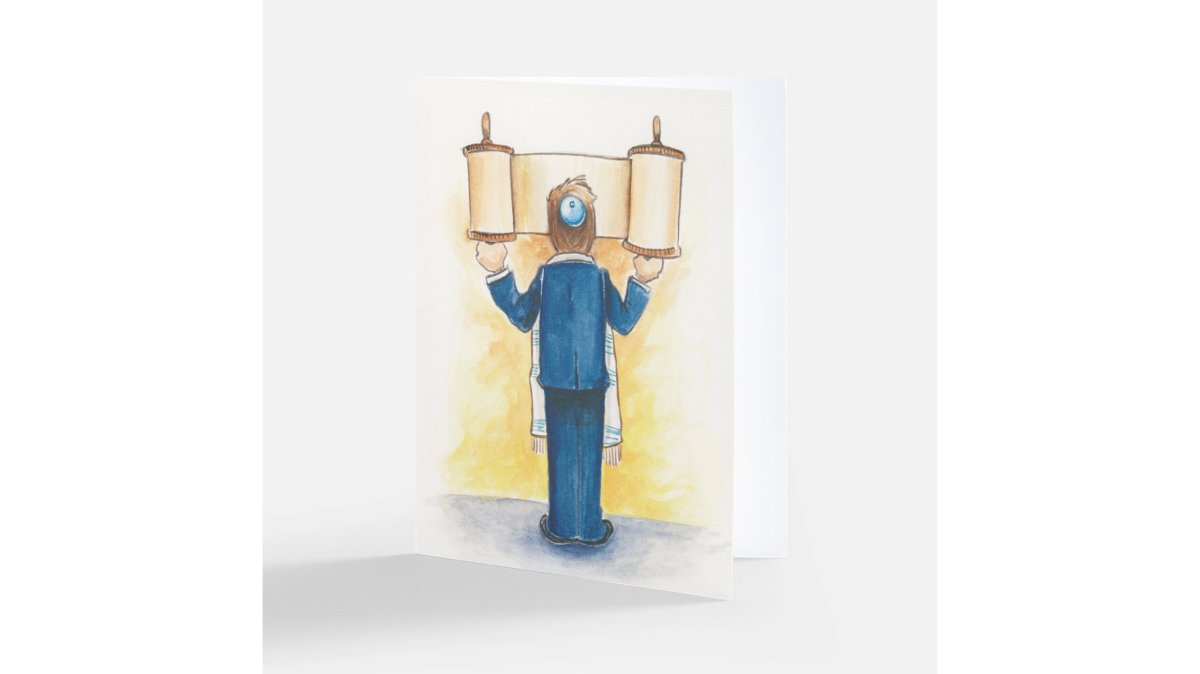
Every card we sell starts as an original illustration, hand-painted by Stuart Adelman before it ever becomes a printed piece. We're two brothers, an artist and an attorney, and we pack each order ourselves in our small studio.

What most people don't realize is how much of a card's character comes from the process, not just the picture. When a design is drawn by hand first, small variations in line weight and color show up that a template simply can't produce. That's craftsmanship you can feel.
A common mistake buyers make is assuming "handmade" means slow and unreliable. In practice, our turnaround stays simple because we keep the operation small and hands-on. If you need something for a birthday this month, our Four Seasons Greeting Card Bundle keeps four original designs on hand, ready to go.
The Psychology of Receiving: What Happens When Someone Opens Your Card
The psychology of receiving a handmade card comes down to perceived effort: the recipient reads the time someone spent as a signal of how much they matter. That's the emotional resonance competitors rarely explain.
There's a real difference between opening a card and opening a message. One is a transaction. The other is evidence that someone stopped, thought about you, and made something with their hands.
This is where digital fatigue quietly works in handmade cards' favor. After a day of pings and notifications, a physical object that arrived by mail carries a weight a text never will. It's a tangible memory in an era of disposable communication.
Tactile Presence: Why Paper Weight and Texture Matter
Paper quality is the first thing your hands notice and the last thing most buyers think to check. A heavier cardstock with real texture signals care before the recipient reads a single word.
Tactile presence is hard to fake.
| Element | What Cheap Cards Do | What Quality Cards Do | Why It Matters |
|---|---|---|---|
| Paper weight | Thin, flimsy stock | Substantial cardstock | Feels intentional, not disposable |
| Texture | Smooth, synthetic | Noticeable grain | Adds a tactile, human quality |
| Interior | Pre-printed verse | Blank for your words | Invites a sincere message |
| Design source | Mass template | Original illustration | Makes it one-of-a-kind |
Unique Handmade Greeting Cards for Birthdays: Finding the Right One
Finding unique handmade greeting cards for birthdays starts with matching the art to the person, not just the occasion. A card that reflects the recipient's personality lands harder than a generic 'Happy Birthday,' and the reason is simple: a personalized card signals that you were thinking about them, not about the calendar.
A Simple Framework for Matching Art to Person
Ask yourself three questions before you browse:
- What do they actually do with their free time? A gardener, a reader, a hiker, and a home cook all have different visual languages. Art that nods to their hobby reads as an inside joke they'll recognize instantly.
- What's the tone of your relationship? Playful, formal, tender, or wry. A whimsical design for a close friend reads as warmth; the same design for a serious acquaintance can feel off.
- What do you want them to feel when they open it? Seen, cheered up, thanked, or simply remembered. Pick the design that serves that feeling, not the one that matches the wrapping paper.
If you can answer those three, the right card is usually obvious within a minute of browsing.
What Makes a Birthday Card Feel Personal
Personalization isn't just a name printed on the front. It's the combination of original art, a blank interior, and a message only you could write. That's why we keep the inside of our cards blank: pre-printed verses are efficient, but they're also the reason most cards sound the same.
The 'Not Crafty Enough' Fear, Solved
A lot of people avoid handmade cards because they think they need to make one themselves. You don't. The 'imperfect aesthetic' that makes handmade art feel authentic is already built into original illustrations, because a hand-painted design carries the artist's actual gestures. Small variations in line weight and color are the point, not a flaw. These subtle human touches extend beyond the page, anchoring our modern correspondence in the broader tradition of supporting cultural heritage.
How to Write a Meaningful Greeting Card Message
A meaningful greeting card message names one specific thing about the person and one honest feeling, rather than reaching for a generic sentiment. Specificity is what makes words land.
Try this simple structure:
- Open with their name and a specific memory or quality ("I still think about the night you...").
- Say what that detail means to you in plain words.
- Close with a wish tied to them, not the occasion alone.
- Sign it by hand. Always.
The Imperfect Aesthetic: Why Flaws Make Art More Authentic
Small imperfections are proof of a human hand, and that's why they make handmade art feel more authentic rather than less. A perfectly uniform card reads as manufactured; a slightly irregular line reads as real.
Handmade Cards as Keepsakes: The Long-Term Value
A handmade card becomes a keepsake because it compresses three things into one object: a specific moment, a specific person, and a piece of original art. That combination is what makes it hard to throw away, and it's the part most card guides never explain.
The Cost-Benefit Reality of a Handmade Card
Here's the part that surprises people. A handmade card is usually not the expensive option. A handmade card from a small studio sits in a similar range while delivering something the mass-market card structurally cannot: original art, a blank interior for your own words, and the knowledge that a real person made it.
The Sustainability Angle
Choosing a small studio over a mass-produced alternative also shifts where the money goes. Mass card production involves large print runs, plastic wrap, and shipping at industrial scale. A small studio packs orders by hand, which means less overproduction and less waste per card. It's not a zero-waste product, and we won't pretend it is, but it is a meaningfully lower-waste choice than a shrink-wrapped multipack, and it supports real people instead of a printing plant.
How to Make a Card Actually Get Kept
If you want your card to survive the recycling bin, a few small moves do most of the work:
- Write something specific on the inside. A detail only you would know is what makes the card re-readable years later.
- Sign it by hand and date it. A date turns the card into a timestamped memory.
- Skip the envelope clutter. A clean card is easier to pin to a board or tuck into a frame.
- Tell them it's original art. Most people default to tossing cards; a one-line heads-up changes the outcome.
Frequently Asked Questions
Why are handmade cards considered more meaningful than mass-produced ones?
Handmade greeting cards carry the mark of a real person's creative effort. Unlike store-bought alternatives printed in bulk, each card involves hand-painted designs, careful material selection, and personal packing. That human touch creates emotional resonance the recipient can feel. When someone opens a handmade card, they're holding a one-of-a-kind piece of artistic expression, not a product off a shelf. The thoughtfulness behind that effort is what makes it a keepsake rather than something to toss after the occasion.
What makes a handmade greeting card a keepsake?
A keepsake is something with sentimental value that people hold onto. Handmade cards become keepsakes because they combine original art, a sincere message, and the physical medium of paper and ink. The tactile presence, the paper weight, the texture of the cardstock, and the handwritten note all create a tangible memory. Many people frame handmade cards or store them in memory boxes. The craftsmanship and intentionality behind each card give it lasting impression value that digital messages simply cannot match.
How do I choose unique handmade greeting cards for birthdays?
Start by thinking about the birthday person's personality and interests. Do they love animals, gardening, or a particular hobby? Look for artists who create original designs rather than templates. Check whether the card has a blank interior so you can write a personal message. Consider the paper quality and whether the card feels substantial in hand. If you need something quickly, ask about turnaround time before ordering. A card that reflects the recipient's world will always feel more special than a generic design.
How does the artistic process behind a card change the recipient's experience?
When someone knows a real artist painted the design by hand, the card stops being stationery and becomes a small piece of art. The recipient experiences the card differently because they recognize the creative effort involved. That awareness adds emotional resonance to the moment. At Cerulean Rooster, every card starts as an original painting by Stuart Adelman, and each order is packed by hand in our studio. That process, from brushstroke to mailbox, gives the recipient something genuinely personal to hold.