
Tips for Buying Original Art Online Safely
Mitchell AdelmanTable of Contents
- Why Buying Original Art Online Matters
- How to Verify Original Artwork Before You Buy
- Questions to Ask Before Buying Art
- Your Online Art Buying Checklist
- How to Choose Art for Your Walls
- Protect Yourself: Payment Safety and Buyer Protection
- What to Do If Something Goes Wrong
- Frequently Asked Questions
Last Updated: October 12, 2026
Why Buying Original Art Online Matters
Finding authentic original artwork online feels risky, you can't hold the piece or see the brushstrokes up close until it arrives.
But buying original art online doesn't have to be stressful.

A few smart questions and research steps can protect you from fakes, reproductions, and disappointment.
How to Verify Original Artwork Before You Buy
Original artwork is one-of-a-kind, with real brushstrokes, texture, and character. Prints look flat by comparison. Here's how to tell the difference.
Check the Artist's Portfolio and Body of Work
Start by looking at what else the artist has created. A real artist's body of work shows growth, consistency, and style, visit their website or social media and look for multiple pieces connected by a consistent vision or technique.
Ask yourself these questions:
- Does the artist show their process or talk about their work?
- Are there multiple pieces in similar styles or mediums?
- Do the pieces show skill and intentionality?
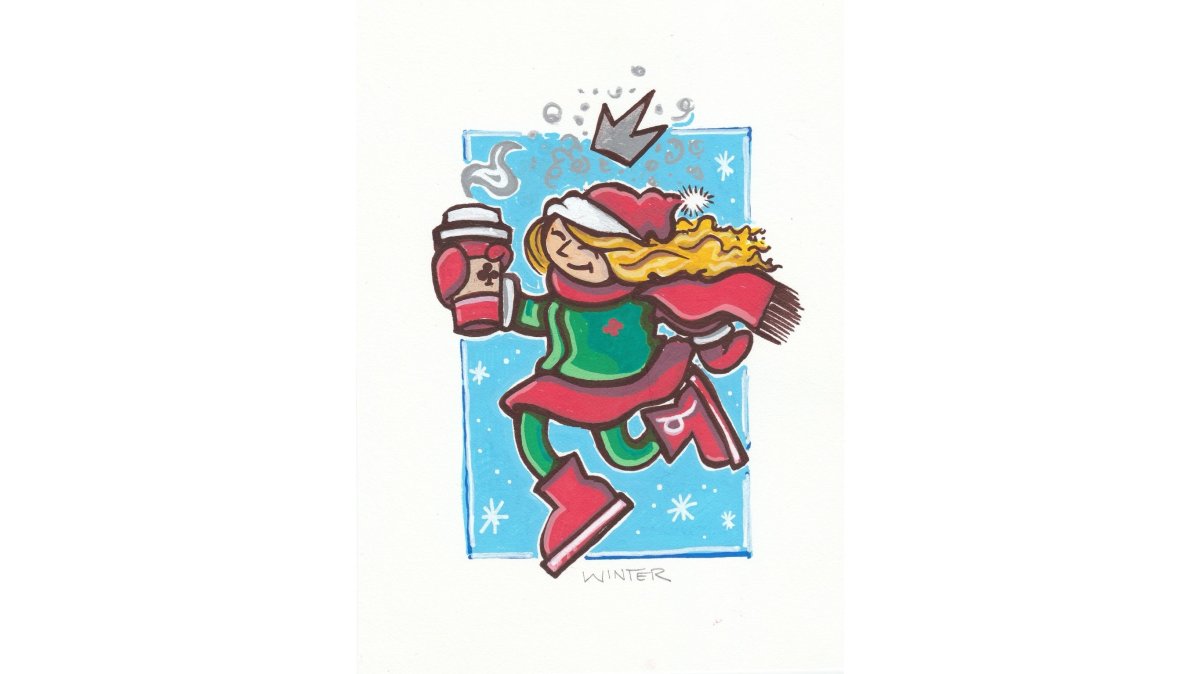
When you're buying from Cerulean Rooster, you're seeing original work created by two deaf brothers who pour their hearts into every piece, like the Winter Queen Original Art and Spring King Original Art, each one unique and handmade.
Look for Certificates of Authenticity and Provenance
A certificate of authenticity (COA) verifies a piece is original, listing the artist's name, title, date created, medium, and sometimes a photo. Provenance is the artwork's history, where it came from, who owned it, how it was displayed. Together, these documents prove the piece is real and one-of-a-kind.
Ask the seller:
- Do they provide a certificate of authenticity?
- Is it signed by the artist?
- Does it include the medium, dimensions, and date?
Spot the Difference: Original vs. Print vs. Reproduction
Understanding the difference saves you from expensive mistakes.
Original artwork is one-of-a-kind, created by hand with texture, depth, and real brushstrokes or marks, like our Fall Jack Original Art.
Prints are reproductions scanned from an original and printed on paper or canvas.
Reproductions are copies made to look like originals, printed on canvas or hand-painted to mimic the original, designed to fool buyers.
Here's how to spot the real thing:
- Look for texture and depth. Run your fingers across the surface (if you can see it in person). Real art has bumps, ridges, and layers.
- Check the back. Original artwork often has marks, signatures, or labels on the back. Prints are usually blank.
- Ask about the medium. "What materials did you use?" A real artist can tell you, watercolor, ink, acrylic, etc.
Questions to Ask Before Buying Art
The right questions reveal whether a seller is trustworthy and the piece is real.
About the Artist and Their Process
Understanding the artist's process builds confidence in your purchase. Ask:
- How long have you been creating art?
- What inspired you to create this specific piece?
- What medium and materials did you use?
When you buy from us at Cerulean Rooster, you know the story. We're two deaf brothers creating original art and handmade goods, packing every piece by hand in our studio. Expressive art is our medium of communication, that's who we are.

About the Artwork Itself
Specific details protect you from buying something that doesn't match your expectations.
Ask:
- What are the exact dimensions?
- What medium did you use (watercolor, ink, acrylic, etc.)?
- What materials are included (frame, mat, backing)?
Your Online Art Buying Checklist
Use this checklist before you buy any original artwork online.
| Step | What to Check | Why It Matters |
|---|---|---|
| Research the artist | Portfolio, body of work, consistency | Confirms the artist is real and established |
| Ask about the medium | Materials, technique, process | Verifies it's original, not a reproduction |
| Request details | Dimensions, condition, signature location | Ensures you know exactly what you're getting |
| Check for authenticity | Certificate, provenance, documentation | Protects your investment |
| Review the policy | Returns, refunds, damage coverage | Gives you recourse if something goes wrong |
| Verify payment security | Secure checkout, buyer protection | Protects your financial information |
| Plan for shipping | Insurance, packaging, tracking | Ensures safe arrival |
Verifying each item takes five minutes and saves you from regret.
How to Choose Art for Your Walls
Buying original art is personal. It should reflect your taste and fit your space.
Think about what draws you in: bold colors or subtle tones? Abstract or representational? Does the piece make you feel something?
Consider your space: what colors dominate the room, what style is your furniture? Original art should complement, not clash.
Measure your wall space before you buy, a small piece gets lost on a large wall, and a large piece overwhelms a tiny room.
Trust your gut. When something speaks to you, whether it's a piece from Cerulean Rooster like It's Axe Time! Original Art or from another artist, that's the right choice.

Protect Yourself: Payment Safety and Buyer Protection
Most art-buying guides say "use a secure payment method" and stop there. Here's how buyer protection actually works.
Pay With a Method That Can Be Reversed
Your biggest safety decision is how you pay. Safest to riskiest:
- Credit card, Strongest protection. Under the Fair Credit Billing Act, you generally have 60 days from the statement date to dispute a charge for goods not received or not as described. Your card issuer investigates and can issue a chargeback.
- PayPal Goods & Services, Offers its own buyer protection program with a defined dispute window (commonly 180 days from payment). Never use "Friends & Family" for an art purchase; it removes your protection entirely.
- Marketplace checkout (Etsy, Saatchi Art, etc.), These platforms layer their own buyer protection on top of your card. Read the specific policy, because windows and covered reasons vary.
- Debit card, Weaker than credit. Your bank may help, but you're spending your own money and reversibility is limited.
Understand What "Buyer Protection" Really Covers
Buyer protection isn't a warranty that you'll love the art. It typically covers item not received and item significantly not as described, but usually not buyer's remorse, post-delivery damage, or disputes over subjective quality. That's why the documentation steps matter, they turn a vague complaint into a winnable claim.
Use Escrow-Style or Milestone Payments for Larger Purchases
For a high-value commission, ask whether the seller accepts a deposit-plus-balance structure or a platform that holds funds until delivery is confirmed. Buying directly from an artist, a fair arrangement is a partial deposit to begin and the balance on approval of finished photos before shipping. Get the terms in writing.
Lock Down the Checkout Itself
- Confirm the URL shows
https://and a padlock before entering card details. - Prefer a saved card or a payment service over typing card numbers into a small artist's site.
- Turn on two-factor authentication on your payment and email accounts.
- Never send card details by email, DM, or text, no legitimate seller needs that.
Build Your Evidence File From Day One
If something goes wrong, your claim is only as strong as your records. Save in one folder: listing screenshots (title, dimensions, medium, price), all messages with the seller, the receipt and payment confirmation, photos of the package before opening and the artwork after unboxing, and any certificate of authenticity or provenance documents.
What to Do If Something Goes Wrong
Most guides end at "contact the seller", that's step one of five. Here's the full escalation ladder.
Step 1: Document Everything Before You Complain
Before you message anyone, preserve the evidence: photograph the unopened box, packing materials, and artwork; screenshot the original listing (title, dimensions, medium, condition notes); save your full message history with the seller; and keep the receipt, tracking number, and delivery confirmation. Do this first because listings get edited and messages get deleted, your evidence file is your leverage.
Step 2: Contact the Seller in Writing, and Give a Deadline
Send one clear, calm message through the platform's messaging system (not text or DMs, so there's a record). State what you ordered and received, what specifically is wrong (damage, wrong item, not as described, never arrived), what you want (replacement, repair, partial refund, full refund), and a deadline: 3-5 business days is reasonable for a first response.
Step 3: Escalate to the Platform
If the seller doesn't resolve it by your deadline, open a case with the marketplace. Most platforms have a formal resolution center and a window, commonly 30 to 180 days from delivery or expected delivery. Miss it and you may lose the option entirely, so check the policy the day you buy.
Step 4: Dispute Through Your Payment Provider
If the platform can't or won't help, go to the payment layer:
- Credit card: File a billing dispute. Under the Fair Credit Billing Act you generally have 60 days from the statement date to dispute. The issuer investigates and can issue a chargeback.
- PayPal Goods & Services: Open a dispute, then escalate to a claim if unresolved. The window is commonly 180 days from payment.
- Debit card or bank transfer: Contact your bank immediately; options are narrower and timelines shorter.
Attach your evidence file, a dispute with photos, screenshots, and a clear timeline succeeds far more often than a bare complaint.
Step 5: Know When to Stop and When to Push
- Stop if the seller offers a fair resolution and delivers. Leave an honest review and move on.
- Push if the seller goes silent, changes terms, or the platform closes your case without a real answer, your payment provider is the next lever.
Special Cases Worth Knowing
- Damage in transit: Report it to the seller and the carrier, and keep the original packaging, carriers often require it for inspection. If shipping insurance was purchased, the claim usually runs through the shipper, and the seller typically files it.
- Suspected forgery or misrepresentation: This is "significantly not as described," covered by most buyer-protection programs. Lead with documentation: the listing's claims versus what you received, plus any expert opinion you can obtain.
- Seller disappears: Don't wait, move straight to the platform, then your payment provider, referencing the exact dates of your contact attempts.
Frequently Asked Questions
How can I tell if artwork sold online is actually original?
Original artwork has unique characteristics that reproductions don't. Look for the artist's signature, check for a certificate of authenticity, and ask the seller directly about the medium and materials used. Request close-up photos showing brushstrokes, texture, and any imperfections, these details prove it's one-of-a-kind. Handmade pieces from small studios like Cerulean Rooster come with transparency about how they're created, so don't hesitate to ask about the artist's process and materials.
What questions should I ask before buying an original artwork?
Ask about the medium (watercolor, ink, acrylic), exact dimensions, materials used, whether it's signed, if there's a certificate of authenticity, and the condition. Request photos in natural light to see true colors. Ask how the piece will be packaged and shipped, and whether it includes insurance. Understanding these details helps you make an informed choice and avoid surprises when your piece arrives.
What should I check before buying art online to stay safe?
Verify the seller's reputation by reading reviews and checking their artist portfolio. Look for detailed artwork descriptions, high-quality photos, and a clear return or refund policy. Use secure payment methods that offer buyer protection. Check that the seller provides shipping insurance and clear communication. Small, family-run studios often stand behind their work personally, ask about their process and how they handle issues. This diligence protects you from fraud and ensures you receive what you paid for.
How can I verify an artist's credibility when buying online?
Research the artist's background, education, and exhibition history. Look at their full body of work across their website or social media to see consistency in style and quality. Check for seller ratings and customer reviews. Legitimate artists are transparent about their process, materials, and pricing. They're also responsive to questions and willing to provide detailed photos or documentation. Deaf-owned and family-run studios, for example, often emphasize their personal involvement in every order, that transparency is a sign of trustworthy sellers.