
Is Buying From Deaf-Owned Shops Worth It?
Mitchell AdelmanTable of Contents
- What Makes Deaf-Owned Shops Different
- How Deaf-Owned Businesses Drive Innovation
- Unique Products From Deaf Artists
- Supporting the Deaf Ecosystem and Community Empowerment
- Quality, Authenticity, and Trust in Deaf-Owned Shops
- Finding and Verifying Deaf-Owned Businesses
- The Verdict: Is It Worth It?
Last Updated: August 30, 2026
What Makes Deaf-Owned Shops Different
When you buy from deaf-owned shops, you're supporting something fundamentally different from mass-market retail. At Cerulean Rooster, we know this firsthand. As a family-run creative studio owned by two deaf brothers, we pour our hearts into every card, illustration, and handmade piece that leaves our studio. Every order is packed by hand, which means your purchase carries the personal touch of people who genuinely care about what they're creating.
Deaf-owned shops operate with a distinct philosophy built on accessibility, authentic expression, and community empowerment. When you encounter a deaf-owned business, you're experiencing work that reflects real lived experience, not focus-grouped design or manufactured trends. The products feel human because they come from human creativity, not algorithmic recommendation engines.
How Deaf-Owned Businesses Drive Innovation
Innovation in deaf-owned businesses emerges from necessity, lived experience, and a deep understanding of what the Deaf community actually needs. Accessibility gets baked into the foundation, video with captions, clear visual communication, and accessible design aren't compliance checkboxes; they're core to how the business operates. At Cerulean Rooster, we use video demonstrations of our hand-painted cards and original art so customers can see the actual brushwork, color depth, and detail. We also offer direct communication via email and video chat, so customers can ask questions about custom commissions without navigating phone systems or automated chatbots.
This accessibility-first approach creates products and services that work better for everyone. When you design for visual clarity and direct communication from day one, you eliminate friction that hearing-owned businesses often overlook. A greeting card company that thinks visually invests in better photography, clearer typography, and more intentional color choices. A custom art studio that communicates in multiple formats tends to deliver work that matches customer expectations more closely because misunderstandings get caught earlier.
Deaf artists and makers bring different visual languages, communication styles, and aesthetic choices to their work. Many deaf-owned businesses specialize in visual storytelling, illustration, design, and visual art because that's a natural strength of Deaf culture and communication. Hand-painted greeting cards, watercolor originals, and custom pet portraits reflect a commitment to visual expression that mass-market design simply doesn't prioritize.
Supporting the Deaf ecosystem strengthens the creative economy as a whole. When deaf entrepreneurs succeed, they hire other deaf people, mentor emerging artists, and create pathways for younger Deaf creatives to build sustainable careers (bls.gov). That means more deaf artists can afford to keep making art instead of abandoning their practice for jobs that offer better pay and stability.
Unique Products From Deaf Artists
Deaf artists create work that carries distinct visual and conceptual qualities. You won't find mass-produced greeting cards quite like the hand-painted designs from Cerulean Rooster's original art collection. Each piece reflects genuine artistic vision, whether it's a watercolor seasonal series or a detailed ink illustration.

The work of deaf artists emphasizes visual communication in ways that feel fresh and intentional. Watercolor paintings like the Winter Queen, Spring King, Summer Joker, and Fall Jack originals showcase how deaf artists translate emotion and narrative through color, composition, and form. These aren't generic stock designs; they're original creations with personality and depth.

When you purchase original art from deaf creators, you're getting something with genuine artistic merit. The Winter Queen Original Art and Fall Jack Original Art represent hours of careful work. The same applies to illustrated greeting cards that feature hand-painted designs. Each card carries the maker's actual hand and vision.

You can feel the difference between something designed by algorithm and something created by a person with genuine artistic perspective. Deaf artists often work across multiple mediums, watercolor, pen and ink, pencil, and that versatility shows in the range of work available through deaf-owned shops.
Supporting the Deaf Ecosystem and Community Empowerment
When you buy from deaf-owned shops, you're participating in economic justice and community empowerment. The Deaf community has historically faced barriers to employment and entrepreneurship (eeoc.gov). Supporting deaf-owned businesses directly challenges those barriers and invests in community self-determination (peer-reviewed research).
Every purchase circulates money within the Deaf ecosystem. Deaf entrepreneurs hire other deaf people, collaborate with deaf creatives, and build networks of support that wouldn't exist otherwise. This creates stability and opportunity in a community that's often marginalized in mainstream employment.
Deaf-owned businesses keep Deaf culture visible and valued. When deaf entrepreneurs succeed, they model possibilities for younger Deaf people and demonstrate that deaf people can build sustainable, thriving creative careers. That visibility has profound ripple effects on how Deaf people see themselves and what they believe is possible.
Quality, Authenticity, and Trust in Deaf-Owned Shops
Quality in deaf-owned shops often exceeds expectations because the makers care deeply about their work and their reputation within their community. When you're selling to people who know you, the incentive to cut corners disappears.
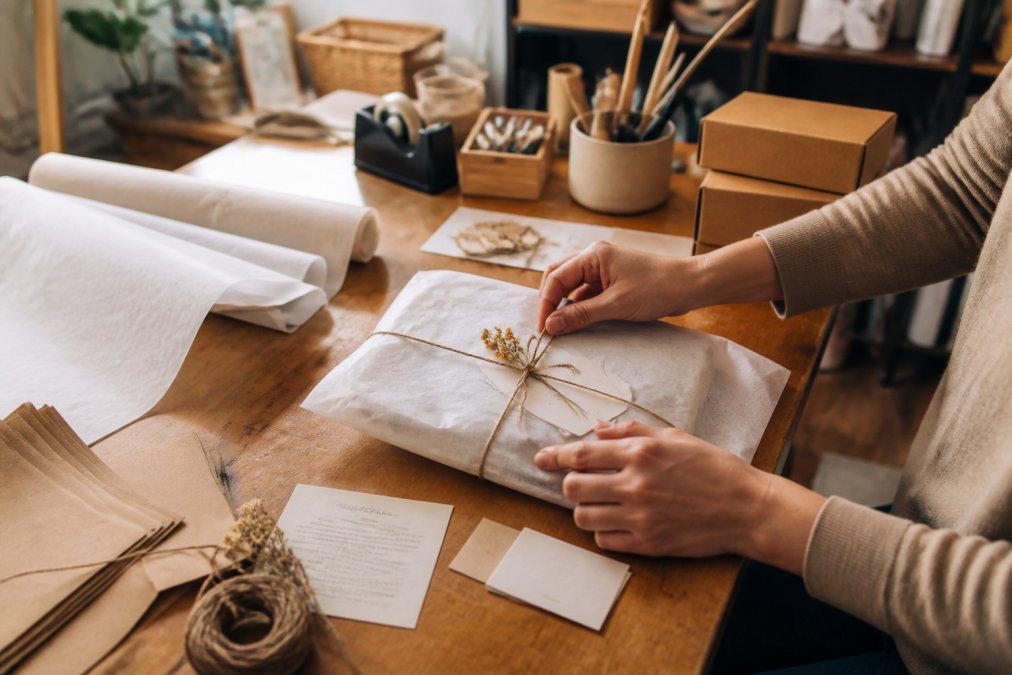
Authenticity is built into the process. Every order from Cerulean Rooster is packed by hand in our small studio. You're not getting something that passed through a warehouse and fulfillment center. You're getting something that our hands touched, that we personally ensured met our standards.
Trust in deaf-owned shops is earned through transparency and consistency. Many deaf-owned businesses operate with radical honesty about their process, limitations, and capabilities. If something takes longer because it's custom or handmade, they'll tell you. This transparency builds trust in ways that corporate customer service policies simply can't match.
When you buy from a small deaf-owned shop, you're often in direct contact with the maker. Questions get answered by the person who created the work. Issues get resolved by someone who has genuine investment in your satisfaction.
Finding and Verifying Deaf-Owned Businesses
Identifying authentic deaf-owned businesses requires intentional effort. The challenge is real: some businesses claim to be "Deaf-friendly" or "Deaf-supporting" without actual deaf ownership or leadership.
Clear ownership markers: Look for businesses that explicitly state who owns and operates the company. Authentic deaf-owned shops typically feature the deaf owner(s) prominently in the "About" section, on social media, or in their origin story. At Cerulean Rooster, we're transparent that two deaf brothers run the studio and hand-pack every order. If a business buries ownership information or uses vague language like "Deaf-led" or "Deaf-inspired" without clarifying what that means, that's a yellow flag.
Accessibility as core, not cosmetic: Genuine deaf-owned businesses integrate accessibility into their operations. Ask: Do they offer video communication with captions? Can you reach them via email or video chat, not just phone? Do they explain their process in visual terms? Do they use ASL content on social media? Mainstream businesses often add captions to one video and call it accessible. Deaf-owned businesses tend to make accessibility standard across all customer touchpoints.
Red flags to watch: Be cautious of businesses that claim to support the Deaf community without clear deaf ownership. "Deaf-friendly" is different from "deaf-owned." Watch for businesses that suddenly launched a "Deaf collection" without explaining how deaf people are involved in creation, or companies that use Deaf imagery in marketing but have no deaf employees or leadership.
Direct communication test: Many deaf-owned businesses are small enough that you can reach out directly with questions about ownership, process, or accessibility. If you email with a question and get a response from the actual maker or owner, not a customer service template, that's a strong signal. If they're willing to do a video call to discuss a custom commission, that's another one.
The Verdict: Is It Worth It?
Yes. Buying from deaf-owned shops is worth it for reasons that go far beyond typical consumer satisfaction.
You get genuinely original work created by artists with distinct perspectives. The hand-painted Cards from Cerulean Rooster carry actual artistic vision and personal care in every detail. The original art pieces, whether watercolor paintings like the Spring King Original Art or ink illustrations like It's Axe Time! Original Art, represent authentic creative work, not algorithmic design.

You support community empowerment and economic justice. Every purchase strengthens the Deaf ecosystem and demonstrates that deaf entrepreneurs can build sustainable businesses. That matters for representation, visibility, and opportunity within the Deaf community.
You get transparency and genuine care in how your order is handled. When every order is packed by hand by the people who made it, quality control is personal responsibility.
You participate in cultural preservation and visibility. Deaf-owned businesses keep Deaf culture, Deaf art, and Deaf perspectives visible and valued in the broader economy.
Buying from deaf-owned shops is worth it because the value extends far beyond the individual product. You're supporting artists, strengthening community, advancing accessibility, and investing in a more inclusive economy.
When you're ready to support authentic, handmade art created with genuine care, start with Cerulean Rooster. As a deaf-owned creative studio, we pack every order by hand with the personal touch that only comes from makers who care deeply about their work. Whether you're looking for original watercolor art, hand-illustrated greeting cards, or custom commissions, you'll find pieces that feel human and expressive, created by two deaf brothers who pour their hearts into every design. Shop our full collection and experience the difference that authentic, community-centered craftsmanship makes.
Frequently Asked Questions
What makes buying from deaf-owned shops different from other small businesses?
Deaf-owned shops bring a unique perspective shaped by Deaf culture and lived experience. When you buy from deaf-owned shops, you're supporting businesses built on authentic creativity and community values. Many, like Cerulean Rooster, are family operations where every detail, from original art to hand packing, reflects genuine care and expressive communication through design.
How do deaf-owned businesses drive innovation in their industries?
Deaf entrepreneurs approach problems differently, creating solutions that reflect their unique viewpoint. This perspective leads to innovative designs, accessibility-first thinking, and products that break conventional molds. Deaf artists and makers often develop distinctive styles and methods that stand out in crowded markets, bringing fresh ideas that wouldn't exist otherwise.
Are handmade items from deaf-owned studios really worth the price?
Yes. Handmade goods from deaf-owned creative studios represent genuine artistry, time, and skill. When you purchase from Cerulean Rooster, for example, you're getting original hand-painted designs and personally packed orders, not mass production. The quality, uniqueness, and human connection embedded in each piece justify the investment far beyond what you'd find in generic shops.
How can I verify that a business is actually deaf-owned?
Look for clear statements about ownership on the business website and social media. Many deaf-owned shops proudly share their story and founder information. Check for Deaf-owned business directories and community endorsements. Authentic deaf-owned businesses are transparent about their identity because it's central to their mission and values in supporting the Deaf ecosystem.
This article was written using GrandRanker