
Deaf-Owned Online Art Shops: A Curated Review
Mitchell AdelmanTable of Contents
- Why Support Deaf Artists and Creators
- What Makes Deaf-Owned Online Art Shops Unique
- Finding Handmade Art and Stickers from Deaf Creators
- Unique Gifts from Deaf Creators: What You'll Find
Last Updated: August 20, 2026
Why Support Deaf Artists and Creators
When you buy from deaf-owned online art shops, you're supporting creative entrepreneurs who've built something meaningful from the ground up. Deaf artists bring a unique visual perspective shaped by their lived experience, and that authenticity shows in every piece they create.
Supporting Deaf makers strengthens the broader Deaf community. These businesses reinvest directly into their networks, mentor emerging artists, and create spaces where Deaf culture and identity are celebrated. Visual art becomes an especially powerful medium when you're navigating a world built around sound. Deaf artists communicate through color, form, symbolism, and composition in ways that resonate across all audiences.
| Why Support Deaf Artists | Impact |
|---|---|
| Representation matters | Visibility for underrepresented creators |
| Authentic storytelling | Art rooted in real lived experience |
| Community reinvestment | Money stays within Deaf networks |
| Unique perspective | Visual communication as primary medium |
| Ethical consumption | Conscious choice to support small business |
What Makes Deaf-Owned Online Art Shops Unique
Deaf-owned online art shops operate with a fundamentally different philosophy than mass-market retailers. These are creative studios where individual artists pour intention into every piece, reflecting genuine artistic vision rather than trend-chasing.
What sets these shops apart is the personal connection baked into the process. Many Deaf creators hand-pack orders, include handwritten notes, and treat each customer interaction as an opportunity to build relationship. When an artist owns the business, there's no separation between maker and seller. That accountability produces work that's intentional, tested, and built to last.
Accessibility is woven into how these businesses operate. You'll find clear visual descriptions, detailed product photography from multiple angles, and communication options beyond phone calls. This thoughtfulness extends to the actual products, designs that celebrate Deaf culture and identity rather than tokenizing it.
Finding Handmade Art and Stickers from Deaf Creators
Social media is often the first place Deaf artists build their audience. Instagram, TikTok, and Pinterest are where many showcase work, connect with followers, and announce new releases. Following Deaf artists directly gives you first access to limited editions and custom opportunities.
Dedicated directories and curated lists have started appearing to highlight Deaf-owned shops and creators. Word of mouth within the Deaf community remains powerful, online forums, Deaf-focused Facebook groups, and community networks are where recommendations flow. supporting indigenous artists.
When evaluating a shop, check whether the creator is actually Deaf or if the shop just claims to be "Deaf-friendly." Authentic Deaf ownership means the business decisions, creative direction, and community impact flow from lived Deaf experience. Quality shops show their work from multiple angles, in different lighting, and often include close-ups of detail.
Unique Gifts from Deaf Creators: What You'll Find
Deaf-owned online art shops offer a range of products reflecting the diversity of artistic styles and creative approaches within the Deaf community.
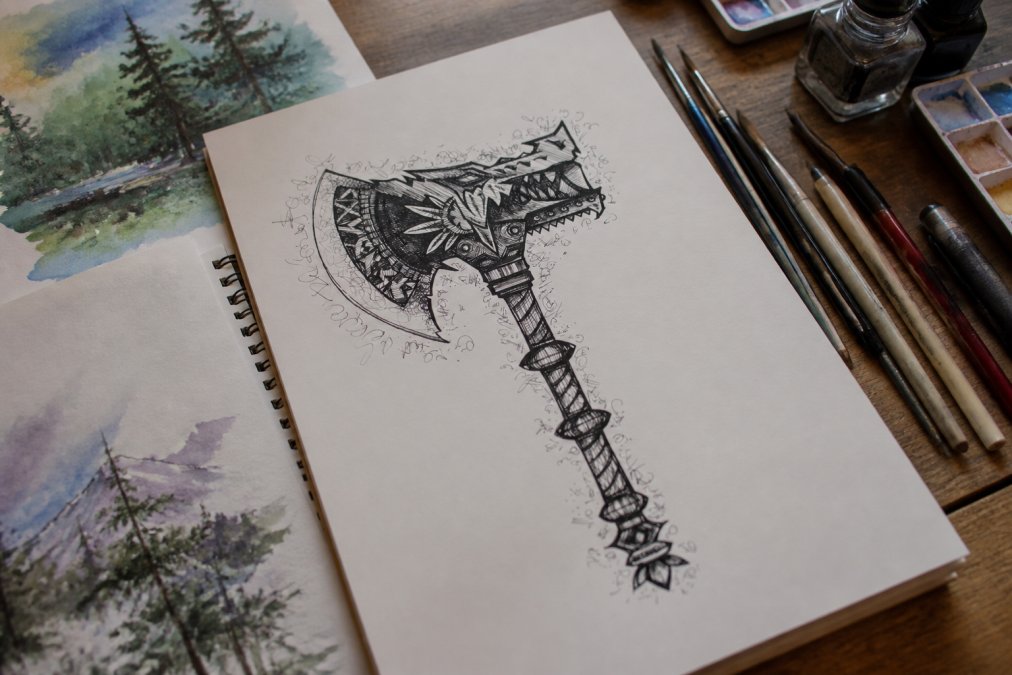
Original art pieces are often the foundation of these shops. Watercolors, ink illustrations, pencil sketches, these are works created with intention and care. Many shops offer originals at various price points, from smaller studies to larger statement pieces. The Winter Queen Original Art and It's Axe Time! Original Art exemplify how Deaf artists create work that captures specific moods and narratives through intentional technique.


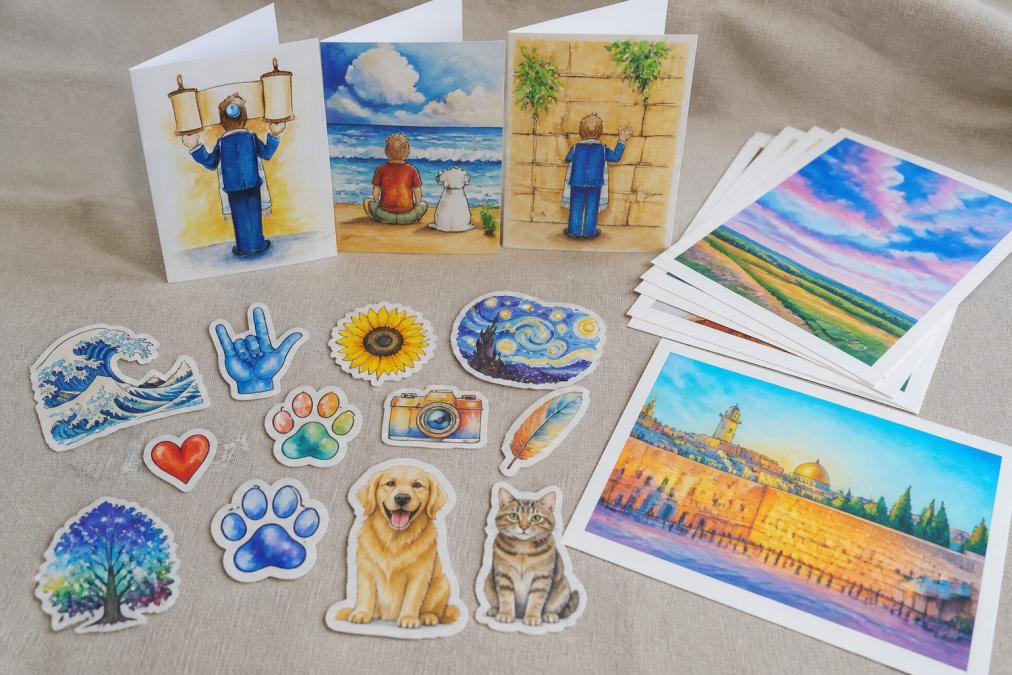
Greeting cards represent accessible entry points into supporting Deaf artists. A handmade card becomes a keepsake rather than trash after the occasion passes. Many Deaf creators design cards that address emotions and situations overlooked by mainstream greeting card companies. Cerulean Rooster's card collection features hand-painted designs for every occasion, each expressively personal and thoughtful.

Vinyl stickers and decorative goods let you carry Deaf artistic vision into your daily life. Sticker packs for planners, laptop decals, and water bottle stickers are often limited runs rather than perpetual inventory. The designs frequently celebrate Deaf culture, ASL, social justice themes, or beautiful visual storytelling.
Custom commissions open entirely different possibilities. Many Deaf artists take commissions and bring that same intentionality to personalized work. The handmade nature of these products means imperfection is a feature, not a flaw. Slight variations in watercolor washes, visible texture of ink on paper, hand-lettering with personality, these qualities make each piece feel alive and authentic.
How to Evaluate Deaf-Owned Online Art Shops
Start with the artist's story. Do they explain who they are, why they create, and what their work means to them? Authentic shops share this context because the personal connection IS the product.
Check product descriptions and photography. Can you see actual detail? Do descriptions acknowledge dimensions, materials, and variations that occur in handmade work? Look at how the shop communicates about Deaf culture and identity. Do they use respectful language and center Deaf experience authentically?
Customer communication matters. Can you reach the shop owner directly? Are there multiple contact options beyond email? Smaller operations often communicate more personally than large retailers, and that accessibility is part of what you're paying for.
Shipping and packaging tell you about priorities. Do they communicate clearly about timelines? Do they describe how items are packaged? Many Deaf-owned shops take pride in presentation because the unboxing experience is part of what you're buying. Return and communication policies should be transparent. What happens if something arrives damaged? Can you reach someone if you have concerns?
Supporting Deaf artists through online art shops is one of the most direct ways to invest in representation and authentic creativity. When you shop at Cerulean Rooster or other deaf-owned online art shops, you're supporting creative entrepreneurs who've built something meaningful and choosing to keep your money within communities that deserve visibility and investment.
Frequently Asked Questions
What makes shopping at deaf-owned online art shops different from other providers?
Deaf-owned art shops center the voices and visions of Deaf artists and creators. When you buy from these studios, you're directly supporting Deaf entrepreneurs and experiencing art created through a distinctly Deaf perspective. Many deaf-owned shops, like Cerulean Rooster, hand-pack every order personally, ensuring genuine connection between maker and buyer. The art itself often reflects Deaf culture, identity, and visual storytelling that you won't find in mass-produced alternatives.
How can I verify that an online art shop is actually deaf-owned?
Look for shops that explicitly state their Deaf ownership in their about section or mission statement. Authentic deaf-owned businesses typically share their story openly, explaining how Deaf artists or entrepreneurs founded and run the studio. Check for transparency about who creates the work, how orders are fulfilled, and whether the shop actively participates in Deaf community spaces. Cerulean Rooster, for example, highlights that it's run by two deaf brothers and describes their personal creative process.
What types of handmade art and stickers can I find from Deaf creators?
Deaf-owned art shops offer diverse products including original watercolor paintings, ink illustrations, hand-painted greeting cards, vinyl stickers for personalizing planners and belongings, and custom commissions for people and pet portraits. Many shops specialize in art that celebrates Deaf culture, identity, and social justice themes. You'll find pieces ranging from whimsical animal designs to inspirational quotes and seasonal artwork, each created with intentional design and genuine artistry rather than mass production.
Can I order custom or personalized pieces from deaf-owned shops?
Many deaf-owned studios accept custom commissions for personalized art, hand-illustrated designs, and bespoke pieces. Since these are small creative operations, turnaround times and customization options vary by shop. When ordering custom work, communicate clearly about your vision, deadlines, and budget. Most shops provide detailed product pages and contact information for inquiries. Cerulean Rooster, for instance, creates custom commissions alongside their core product line, offering personal connection throughout the process.
Why should I choose unique gifts from Deaf creators over mass-produced alternatives?
Gifts from Deaf creators carry genuine meaning and artistry that mass-produced items lack. Each piece is thoughtfully designed and often hand-crafted, making it feel personal even before customization. Supporting Deaf artists directly funds creative entrepreneurship and representation in the art world. When you give a gift from a deaf-owned shop, you're sharing not just beautiful art, but a story of Deaf creativity, community, and cultural expression. These gifts communicate that you care enough to seek something authentic and meaningful.
This article was written using GrandRanker